A Conversation with NYFA Alum, Cinematographer & VFX Supervisor Anup Kulkarni

NYFA Alum Anup Kulkarni is a cinematographer and VFX supervisor who graduated from the One Year Cinematography program in 2014 at the LA campus.
In this Q&A, we explore Anup’s journey from his early fascination with visual storytelling and image-making to earning multiple Best Cinematography awards and showcasing his films at major festivals like Cannes, SXSW, and the Los Angeles Asian Pacific Film Festival. We also dive into his experience working on major studio productions, his contributions to independent cinema, and his latest explorations in immersive storytelling through VR cinematography for platforms like the Apple Vision Pro.
NYFA Alumni Network: Can you tell us a bit about yourself, where you're from, and what brought you to New York Film Academy?
Anup Kulkarni (A.K): I’m a cinematographer and VFX supervisor originally from India, currently working in the U.S. film industry. My journey has been shaped by a deep interest in both the artistic and technical sides of filmmaking. Early on, I was equally drawn to visual storytelling and the mechanics behind how images are created, which naturally led me to explore cinematography alongside visual effects. Along the way, I have earned seven Best Cinematography awards and screened my films at Cannes Film Festival, SXSW, The Los Angeles Asian Pacific Film Festival, Pan African Film Festival, DANCES WITH FILMS, ETC. I have been honored to serve as a jury member at respected film festivals across the United States. I am also exploring new frontiers in VR cinematography, recently creating 180° immersive experiences for the Apple Vision Pro. I moved to the United States to study at the New York Film Academy, where I completed the One-Year Cinematography Conservatory program in 2014. NYFA offered an intensive, hands-on environment that allowed me to experiment and refine my visual language very quickly. That experience became the foundation for how I approach storytelling today.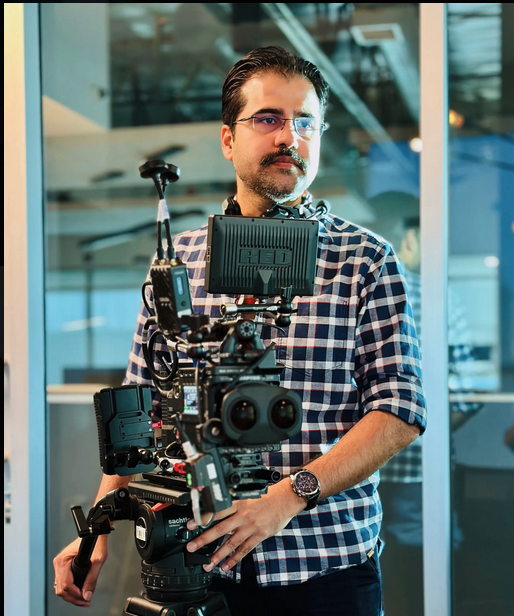 | 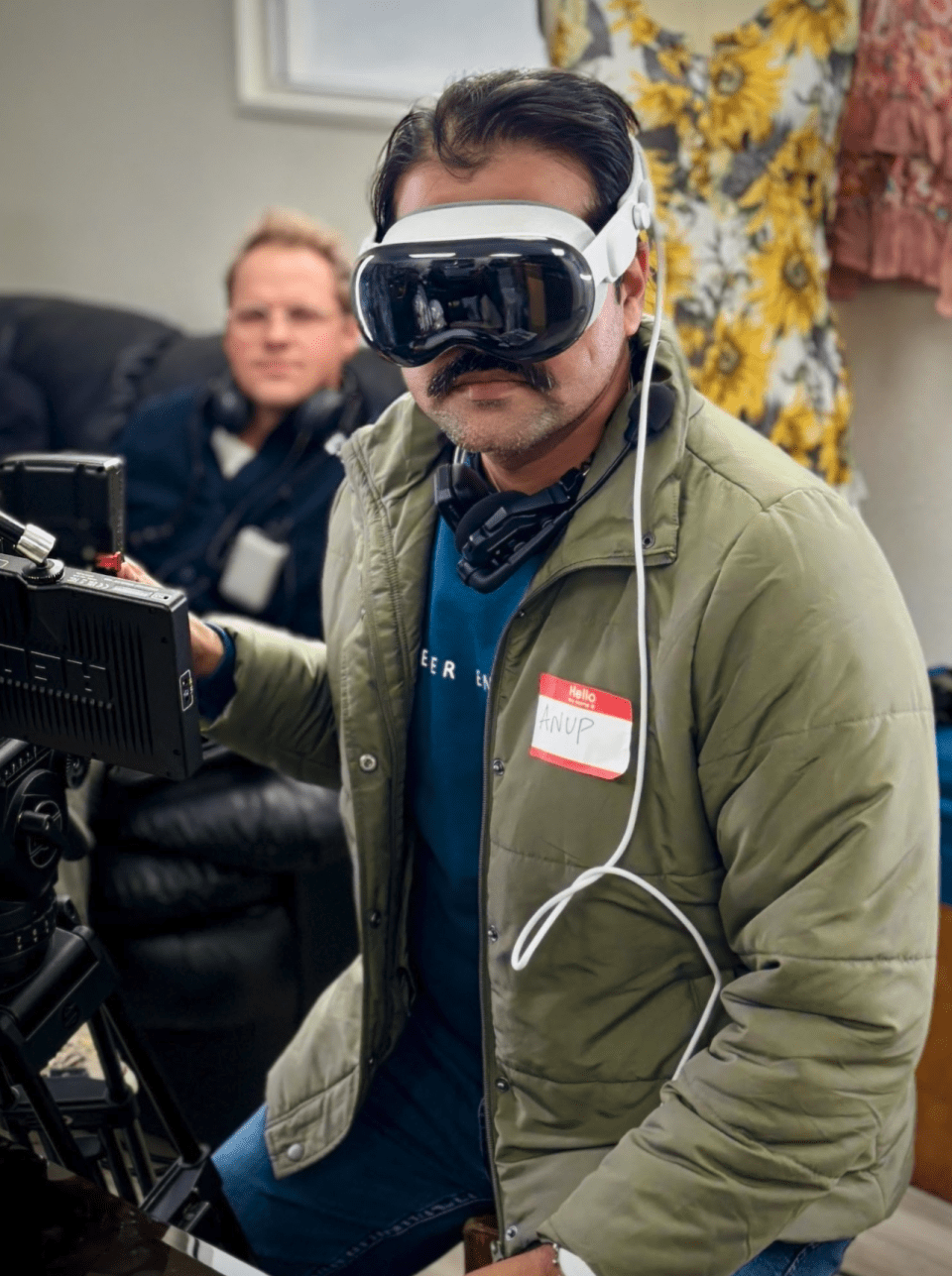 |
NYFA Alumni Network: What are some of the notable projects you've worked on throughout your career?
Anup Kulkarni (A.K): On the studio side, I’ve contributed to Academy Award-winning films such as Life of Pi, Thor: The Dark World, Percy Jackson, and R.I.P.D., where I was deeply involved in the 3D Camera tracking & matchmoving in the complex visual effects pipelines.
In the independent space, projects like Dead Deer High, The Nomad River, Jasmine Star, and A Touch of Aurora have been especially meaningful. These films allowed for a more intimate and expressive visual approach, where cinematography becomes closely tied to character psychology and narrative tone. Balancing both studio and independent work has given me a broader perspective. One demands precision at scale, the other demands emotional sensitivity with limited resources. Both have shaped how I see the craft.
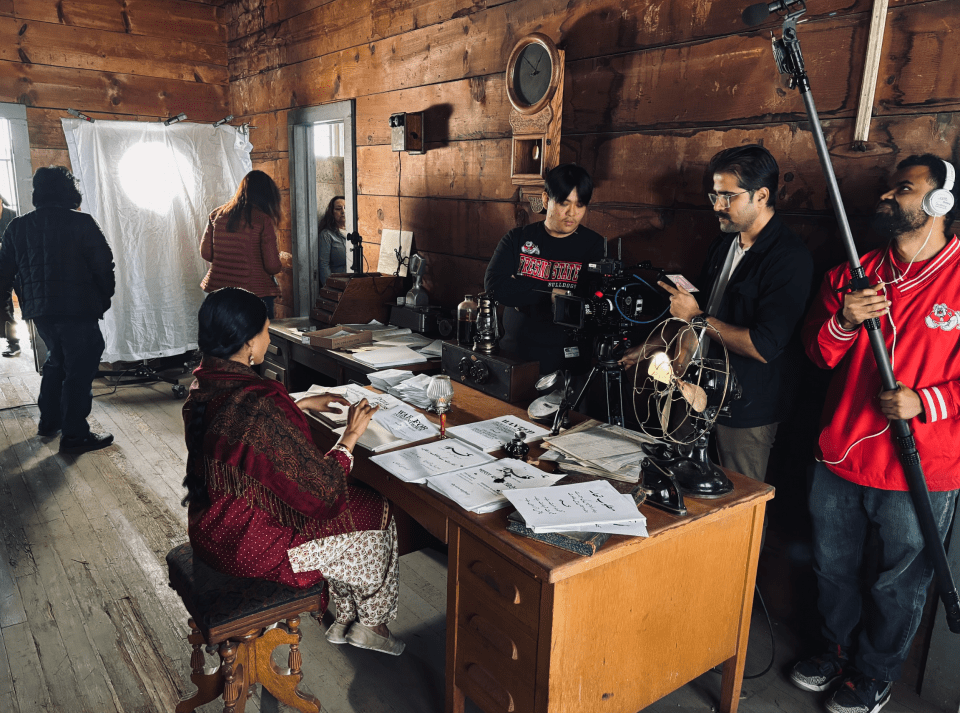
NYFA Alumni Network: What is your favorite part about working as a Cinematographer?
Anup Kulkarni (A.K): As a cinematographer, you're translating emotion, rhythm, and subtext into light, composition, and movement. What I value most is the moment when an abstract idea becomes a tangible visual experience.
I particularly enjoy the collaborative process. Working closely with directors, production designers, and VFX teams to build a cohesive visual language. It’s not just about making something look beautiful; it’s about making sure every frame serves the story.
There’s also a certain satisfaction in problem-solving on set. Whether it's adapting to natural light, designing a shot that integrates seamlessly with CG elements, or finding visual solutions under constraints, that process keeps the work constantly engaging.
I love every aspect of cinematography because visual communication is the most basic and most understood medium of all time. Storytelling through visuals can take an audience somewhere they couldn’t even imagine. I love the psychology of it, how you can make an audience feel a certain emotion through color and movement. It’s like a dance, all flowing together to tell a story.
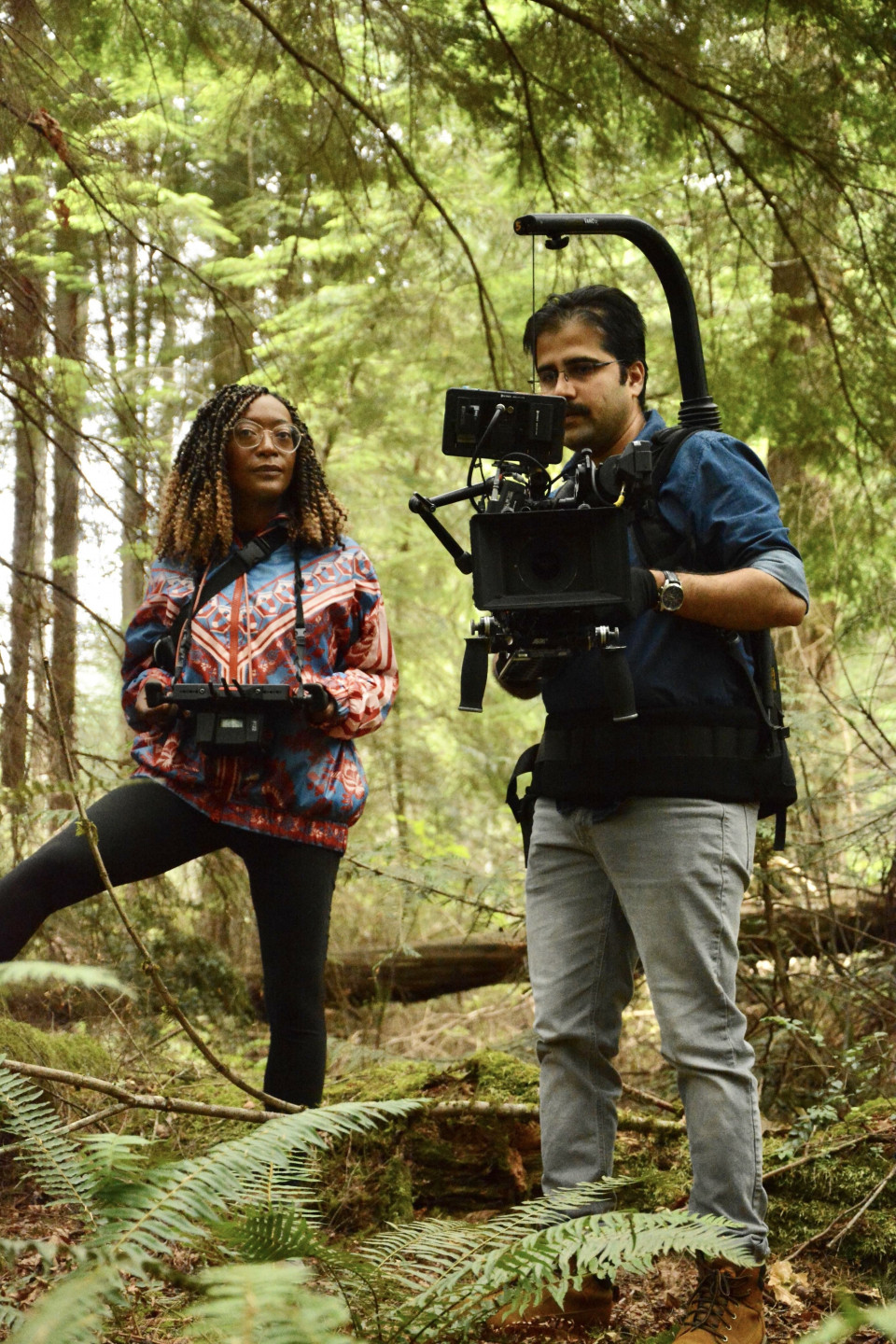
NYFA Alumni Network: Is there a particular type of project or genre that you find yourself naturally gravitating towards as a cinematographer? What aspects of those projects appeal to you?
Anup Kulkarni (A.K): I’m drawn to projects that challenge both my technical understanding and my narrative instincts.
Early in my career on Life of Pi, I worked on highly complex sequences involving underwater cinematography and CG integration. We had to precisely map camera movement across three-dimensional space and build corresponding virtual cameras to ensure seamless interaction between live-action and digital elements. That experience shaped how I approach technically demanding work.
At the same time, I’m deeply interested in poetry-driven storytelling. Films where the narrative has a lyrical, almost meditative quality. These projects allow for a more expressive use of light and framing, where visuals are not just supporting the story, but actively shaping its emotional rhythm.
For me, cinema is ultimately about connecting cultures through images. If a story is told with honesty, it transcends language and geography.
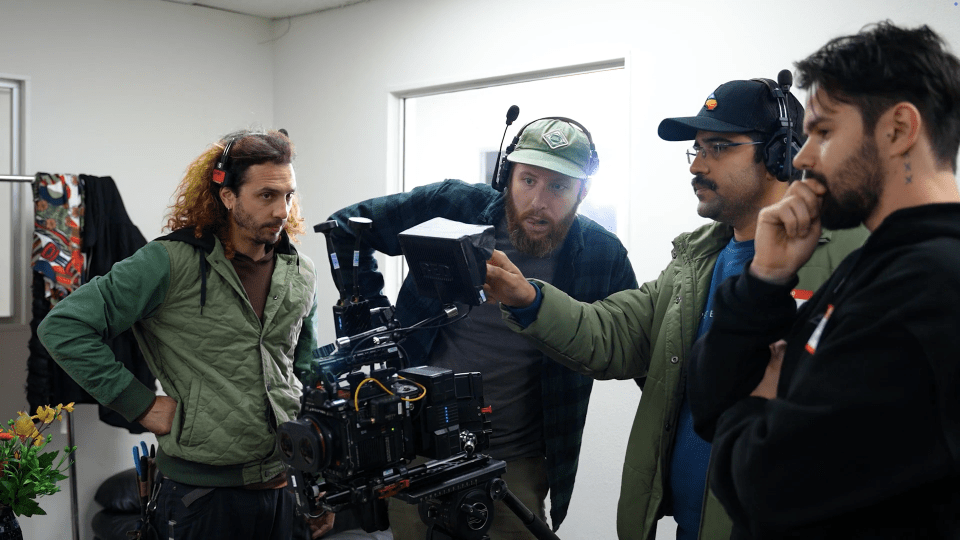
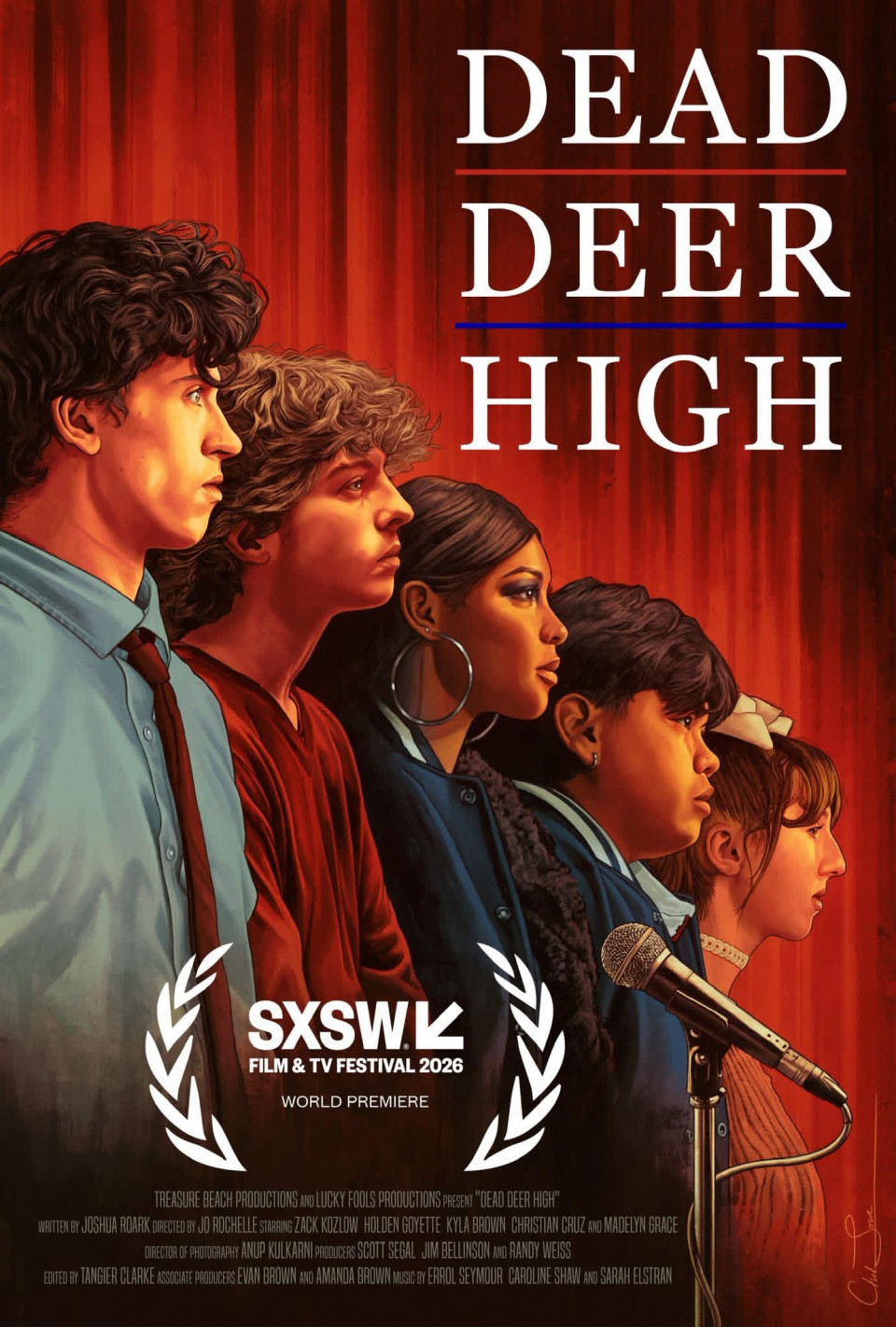
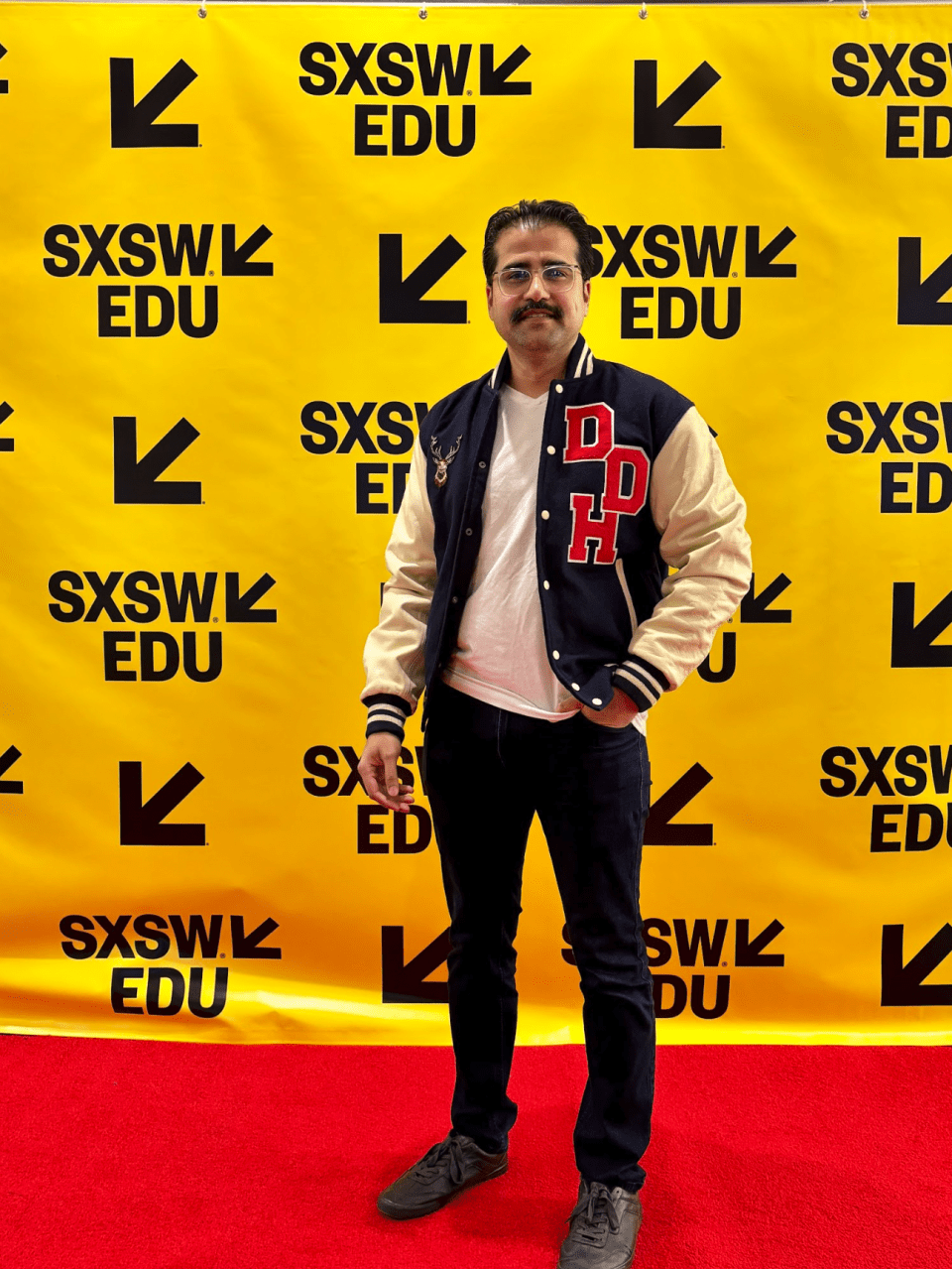
NYFA Alumni Network: Your latest project, DEAD DEER HIGH had its world premiere at the SXSW Film Festival. Tell us more about the film, and how did you get involved?
Anup Kulkarni (A.K): The feature Dead Deer High follows a group of high school slam poets and their English teacher as they prepare for a national competition, one year after a tragedy that deeply affected their lives. It’s a story about healing, resilience, and the transformative power of art.
SXSW is an extremely competitive festival, so being selected was a strong validation of the film’s artistic and technical direction.
I came on board through my ongoing collaboration with writer Jo-Dean and writer Josh Roark. We had worked together on several previous projects, and for this feature, we wanted to build on that creative trust and push ourselves further. Our goal was to create something that felt emotionally honest while maintaining a distinct cinematic identity.
 |  |
NYFA Alumni Network: How did you approach the cinematography for the project? Were there any specific references or inspirations that guided your visual decisions?
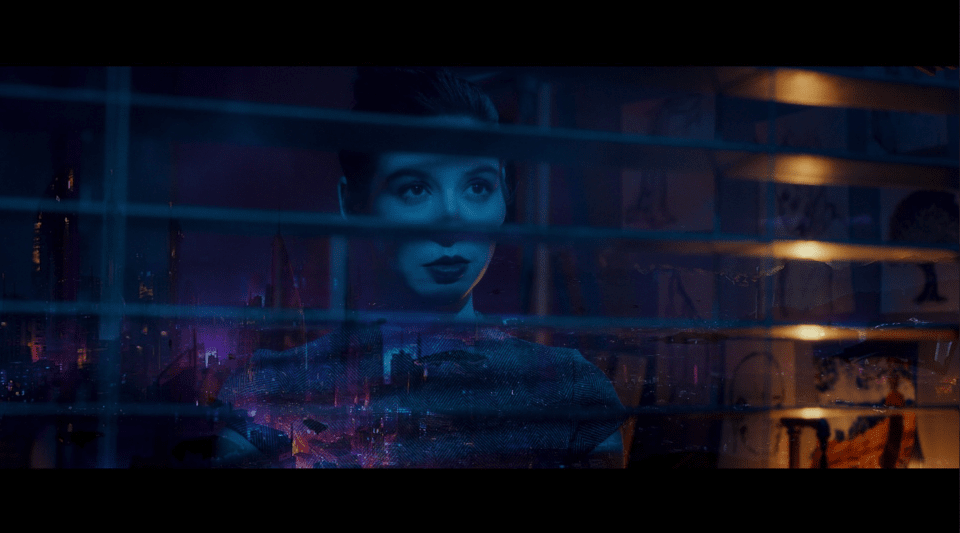
Anup Kulkarni (A.K): The visual approach was rooted in emotional proximity and restraint. We wanted the audience to feel intimately connected to the characters without the cinematography becoming intrusive.
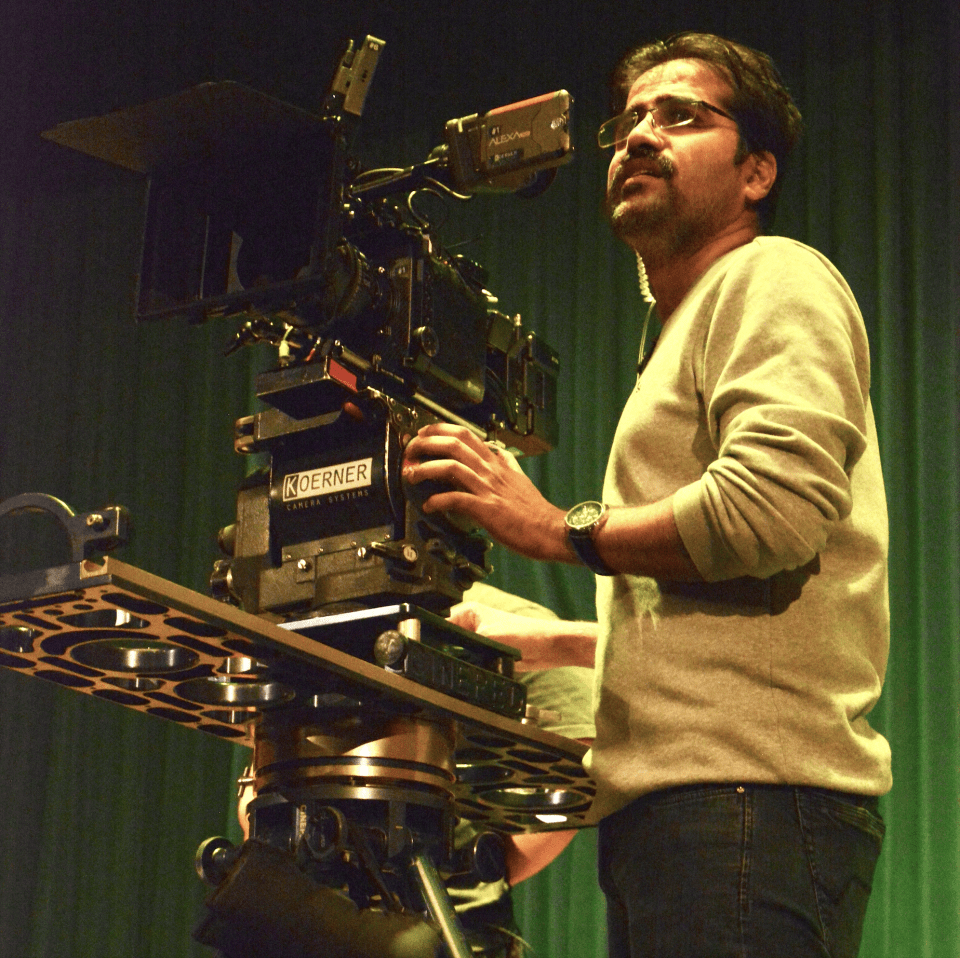
Choosing the right camera & lenses was important. The ALEXA Mini LF was the right tool because it gave us both emotional depth and physical flexibility. The large-format sensor produces a subtle dimensionality that makes faces feel sculptural and grounded in space.
I paired the camera with Zeiss CP.3 primes because of their balance between clarity and character. The CP.3 lenses are sharp, but not sterile.
We used a combination of naturalistic lighting and controlled compositions to reflect the internal states of the characters. The camera movement was intentionally subtle, allowing performances and spoken word sequences to take center stage.
In terms of references, we looked at films that handle intimacy and memory with sensitivity, but we avoided over-stylization. The goal was to let the poetry breathe visually, creating space for silence, rhythm, and reflection.
NYFA Alumni Network: What do you hope audiences will take away from the visual storytelling of the film?
Anup Kulkarni (A.K): I hope audiences feel a sense of closeness to the characters and their emotional journeys.
Visually, the intention was to create an atmosphere where the audience is not just observing but experiencing the story from within. If the cinematography succeeds, it becomes invisible. It allows the emotion to come through without distraction. More than anything, I hope the film reinforces the idea that storytelling, especially through poetry and imagery, can be a powerful tool for healing and connection. 

NYFA Alumni Network: How has NYFA influenced your cinematography career?
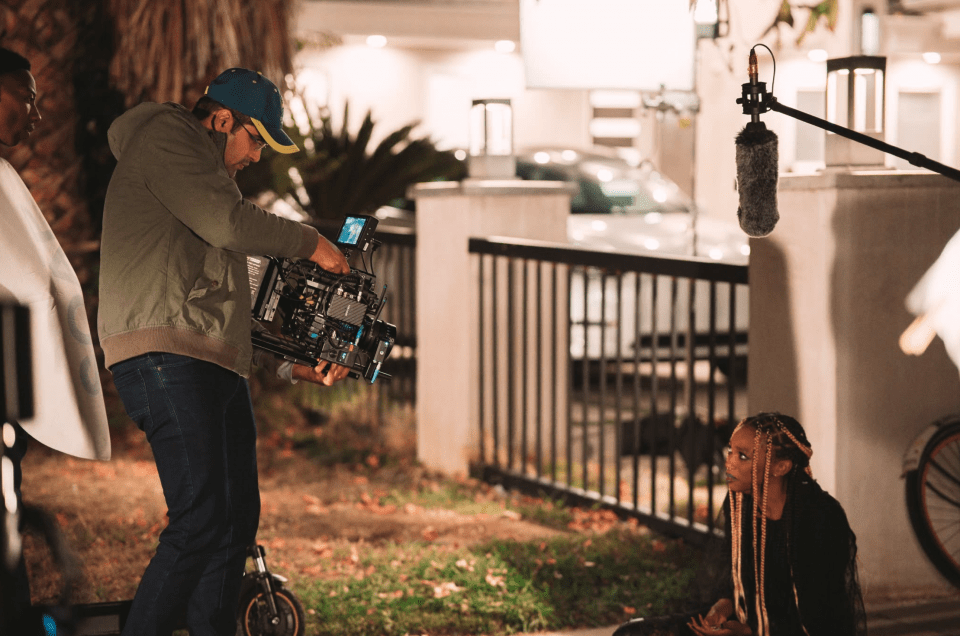
Anup Kulkarni (A.K): NYFA played a crucial role in shaping my early discipline and work ethic. The program emphasized hands-on learning, which meant we were constantly shooting, experimenting, and analyzing our work. That repetition helped me develop a strong technical foundation very quickly.
My cinematography teachers Mike Williamson, Michael Pessah, Tony Cucchiari, Suki MEDENCEVIC, Paul Laverack and many more helped me in my journey. NYFA also introduced me to a collaborative environment that mirrors the industry.
Learning how to communicate visually, work within a team, and adapt under pressure were all skills that translated directly into my professional career.
 NYFA Alumni Network: What is your advice to aspiring visual storytellers interested in Cinematography?
Anup Kulkarni (A.K): Cinematography is both a craft and a way of thinking.
First, learn the fundamentals thoroughly. Lighting, lenses, composition, and camera movement. These are your tools, and you need to understand them deeply before you can break the rules.
Second, study cinema from around the world. Different cultures approach storytelling in unique ways, and that will expand your visual vocabulary. Third, embrace collaboration. Film is not a solitary art form, and your ability to communicate and adapt is just as important as your technical skills. And finally, be patient. This is a long journey. Technology will continue to evolve, but storytelling and human emotion remain constant. Stay curious, keep learning, and focus on telling stories that matter to you.
NYFA Alumni Network: Are you currently working on any other projects that you’d like us to know about?
Anup Kulkarni (A.K): I’m currently working on Miraflores / Flower Seer, a hispanic poetic feature documentary that honors the life and legacy of Juan Felipe Herrera, the 21st United States Poet Laureate.
I’m also a part of a feature film titled Revolution’s Wife, a historical neo-noir set in San Francisco in 1917. It’s a visually ambitious project that blends period storytelling with a stylized cinematic approach.
NYFA Alumni Network congratulates Anup on all his success!
Click the links below to view Anup's Work:

Comments0
Please log in to see or add a comment
Suggested Articles